
Electric vehicles are becoming a core part of fleet operations – from airport ground support equipment (GSE) to industrial, logistics, and facility vehicles.
But as fleets grow, managing how those vehicles are charged becomes increasingly complex. Charging is no longer just a utility, it’s an operational system that directly impacts uptime, labor, and overall efficiency.
Wireless charging offers a different approach: one that reduces manual processes and integrates directly into how fleets already operate.
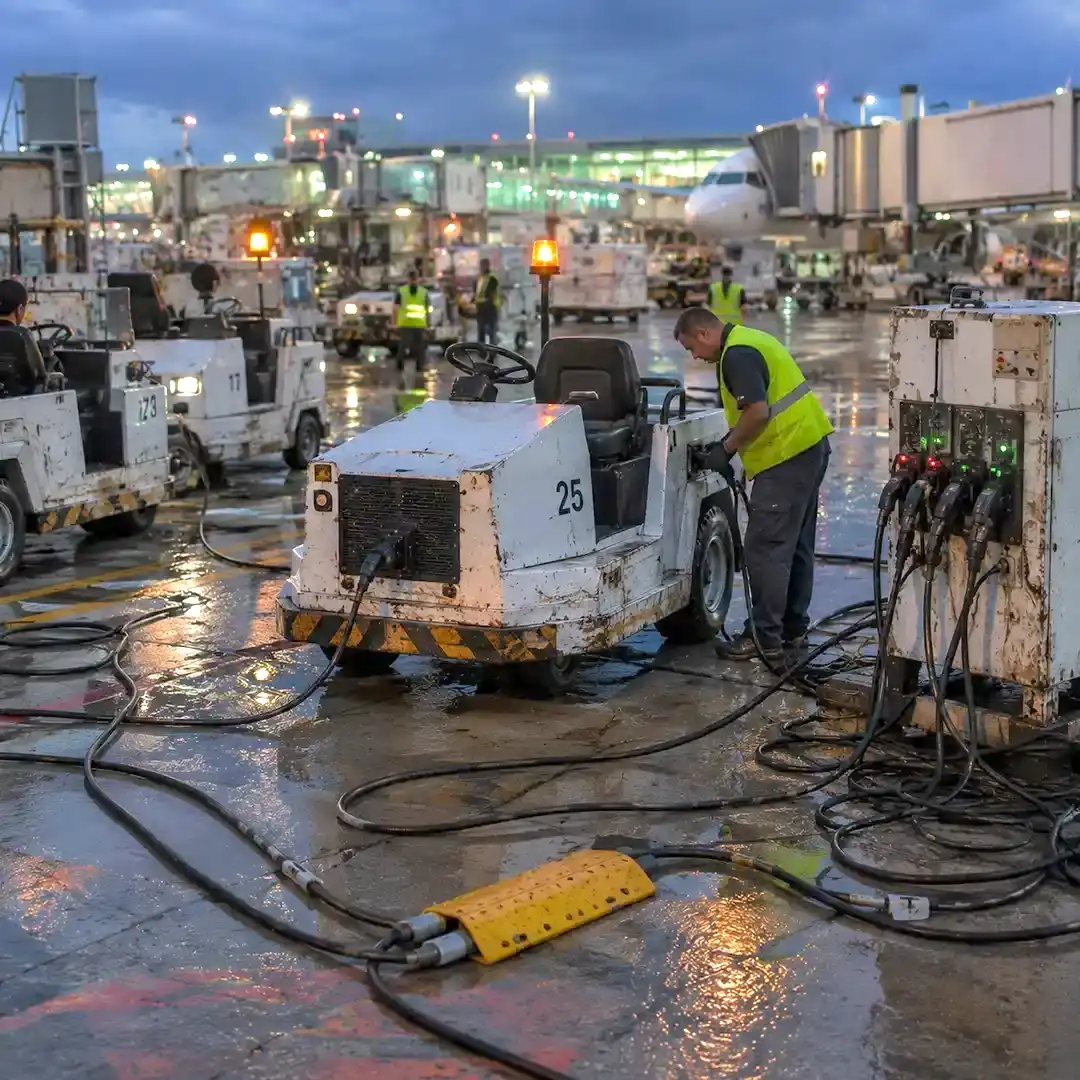
In practice, charging often looks like this:
These challenges create real operational issues:
Inconsistent Vehicle Availability
Missed connections or incomplete charging cycles can take vehicles out of service, disrupting operations and reducing fleet efficiency.
Labor and Process Overhead
Charging requires active management. Plugging, unplugging, and monitoring across large fleets adds up quickly in both time and labor cost.
Safety Risks in Active Work Environments
Cables in busy operational areas introduce trip hazards, clutter, and potential points of failure, particularly in high-traffic environments like airport ramps, warehouses, and service zones.
Downtime and Charging Bottlenecks
Limited charging infrastructure can create queues, forcing vehicles to wait instead of operating – reducing overall utilization.
Wear and Maintenance
Frequent connection cycles lead to wear on cables, connectors, and charging ports, increasing maintenance requirements and long-term operating costs. Across large fleets, these components become recurring maintenance and replacement items that can significantly impact the total cost of ownership.

Plug-in charging works, but it introduces inefficiencies that scale with fleet size.
In short:
Charging becomes a constraint on operations instead of a system that supports them.

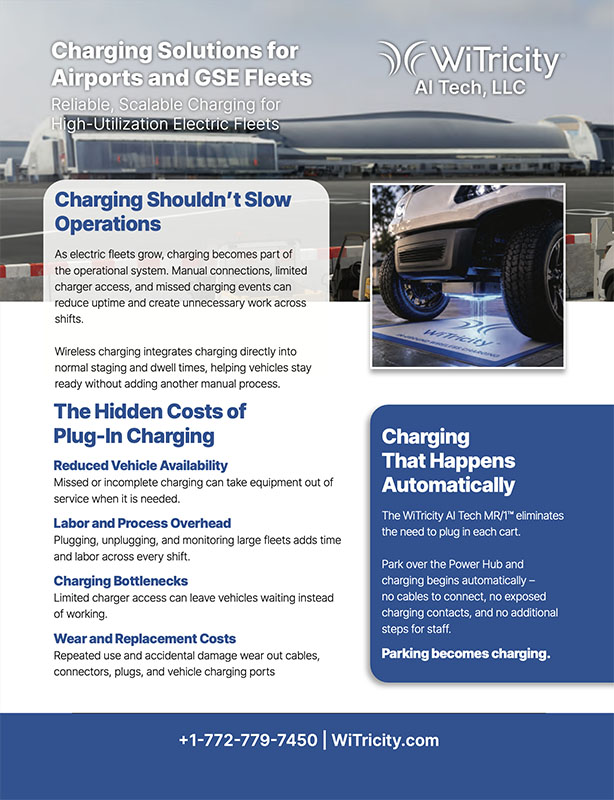
WiTricity’s wireless charging system eliminates the need for plugs, cables, and manual interaction.
With the MR/1 wireless charging system:
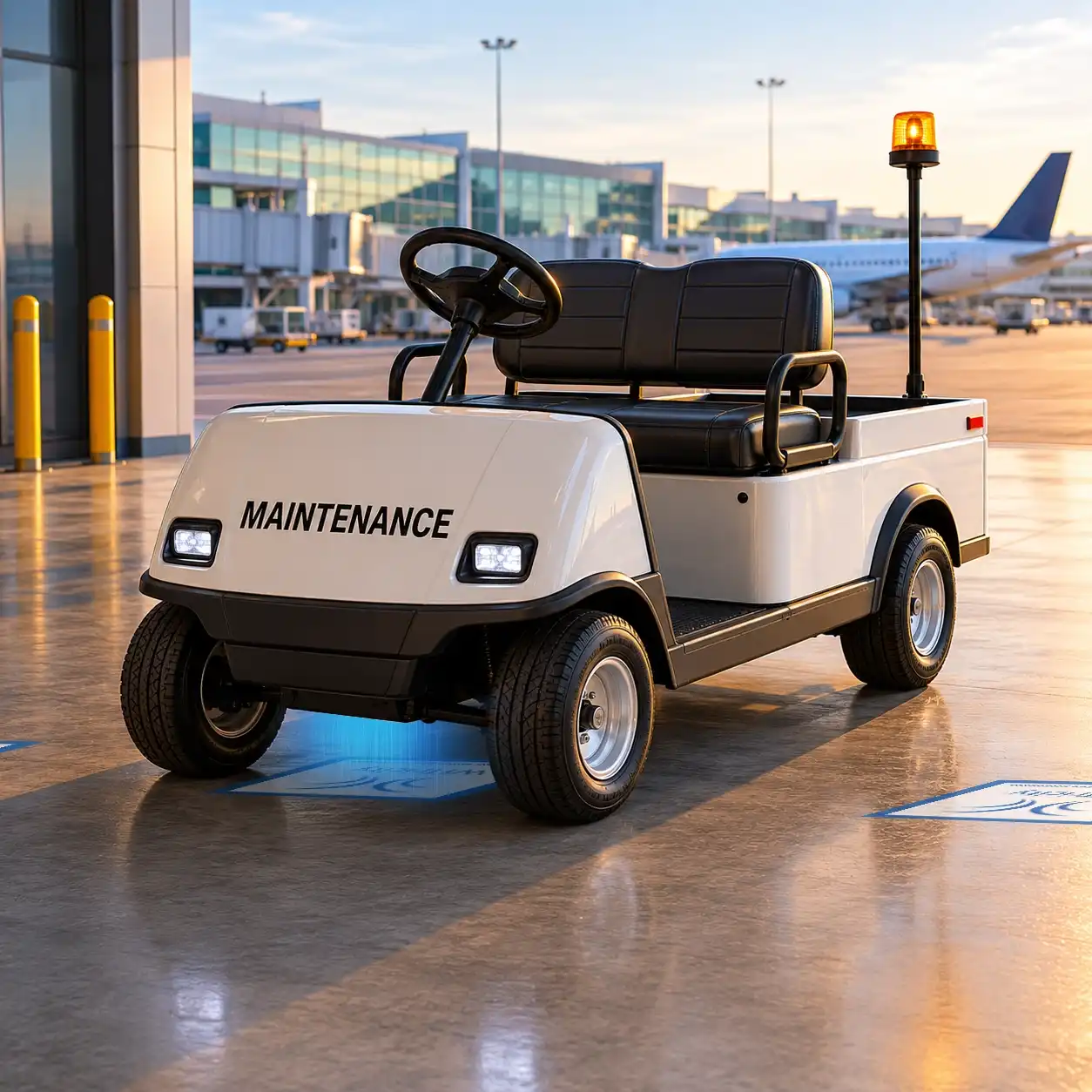
Whether vehicles pause between tasks, return to staging areas, or cycle through shifts, charging occurs automatically when they are parked over a wireless charging pad – without requiring manual connection or intervention.
What This Changes for Fleet Operations
Increased Uptime and Availability
Vehicles charge whenever they are not in use, reducing the risk of downtime due to missed or incomplete charging. By eliminating dependence on manual plug-in processes, fleets can improve vehicle availability and reduce disruptions caused by charging-related failures. A vehicle that isn't charged is a vehicle that isn't generating value.
Reduced Labor Requirements
Eliminates the need for manual plug-in processes across large fleets, freeing staff to focus on higher-value tasks while reducing the labor costs associated with daily charging management.
Improved Operational Flow
Removes charging as a bottleneck by integrating it into natural vehicle dwell times.
Safer Work Environments
Eliminating cables reduces trip hazards and clutter in active operational areas. Charging pads can also be installed flush with the surrounding surface, helping maintain safer work zones while minimizing the physical footprint of charging infrastructure.
Reduced Wear on Equipment
Fewer physical connections mean less wear on charging equipment, cables, connectors, charging ports, and vehicle systems over time. Eliminating these common failure points can reduce maintenance requirements and lower long-term operating costs.
Reduced Maintenance Requirements
The MR/1 contains no moving parts and requires no regularly scheduled maintenance, helping support long-term reliability while reducing maintenance requirements over the life of the system.
Improved Battery Performance Over Time
Wireless charging enables opportunity charging – allowing vehicles to charge throughout the day as they pause between tasks. This more consistent charging pattern can support improved battery health and longevity, helping reduce battery replacement costs while maximizing fleet utilization.
Lower Total Cost of Ownership
Traditional charging systems require ongoing investment in cables, connectors, charging ports, maintenance, and labor. Wireless charging reduces many of these costs while helping improve uptime, battery performance, and vehicle availability. When maintenance savings, reduced labor requirements, improved battery longevity, and higher fleet utilization are considered together, wireless charging can help lower the total cost of ownership compared to traditional plug-in charging systems.
As fleets continue to adopt lithium-ion powered vehicles, battery safety is becoming an important consideration, particularly in enclosed facilities, maintenance areas, and operational environments where concerns around battery incidents, including fire risk, are taken seriously.
Wireless charging supports a more controlled charging process by eliminating physical connectors and enabling consistent charging whenever a vehicle is properly parked over the pad. Because charging automatically stops when the battery reaches its target level, it helps reduce the potential for overcharging – one of several factors that can contribute to battery-related safety issues.
Unlike traditional plug-in charging systems, wireless charging eliminates exposed charging contacts and removes the possibility of electrical shock associated with handling charging connectors during normal operation.
Fleet operations are defined by:
Wireless charging fits naturally into these patterns enabling charging to occur without disrupting operations.
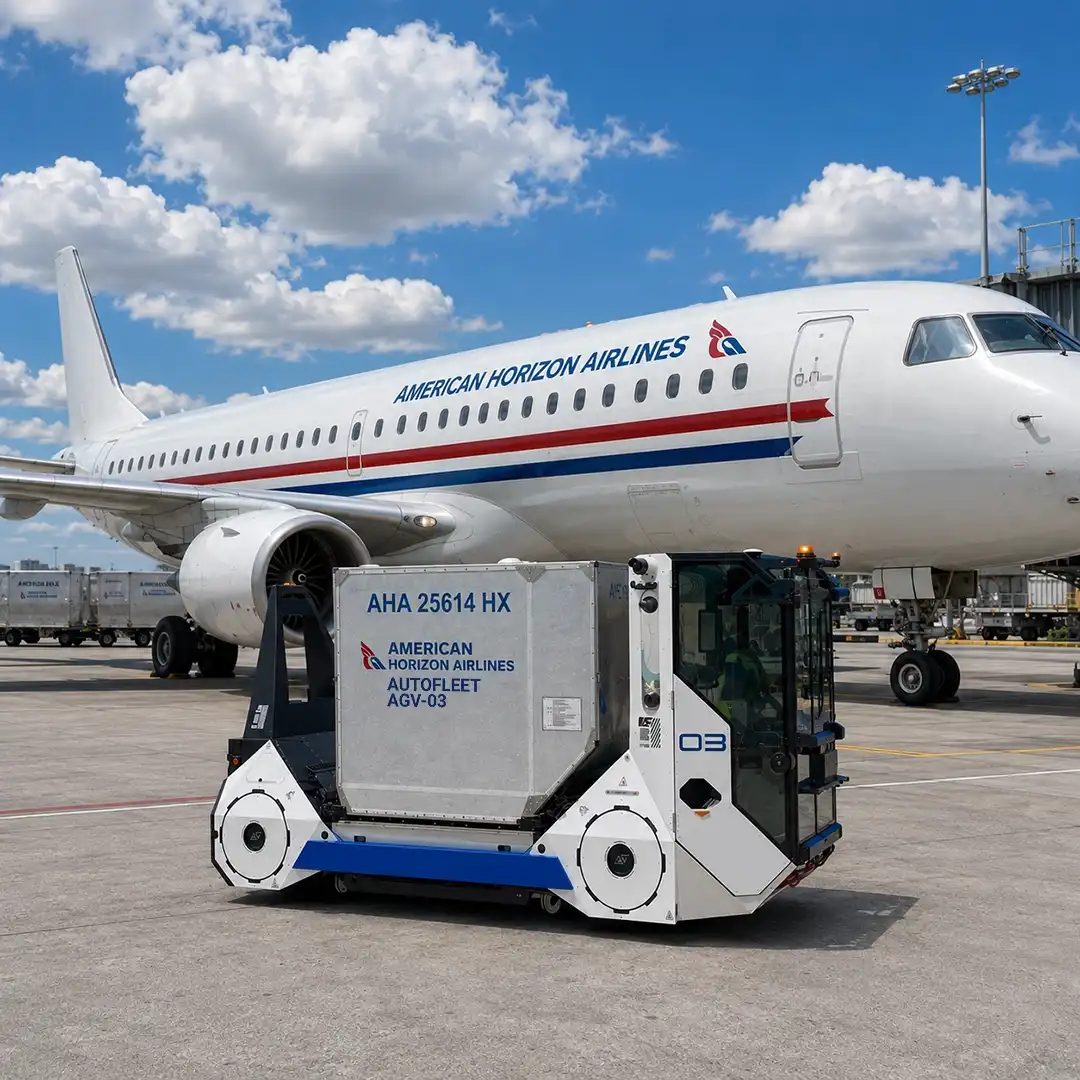
As airports, logistics facilities, and industrial operations continue to explore autonomous vehicles, charging infrastructure must evolve as well.
Autonomous vehicles still require energy. If a vehicle depends on a human operator to connect a charging cable, can it truly be considered autonomous?
Wireless charging enables vehicles to recharge automatically whenever they return to designated staging or dwell locations, supporting truly autonomous operation without requiring manual intervention.
The MR/1 system is designed for:
It supports both lead-acid and lithium battery systems, making it compatible with a wide range of fleet configurations.
In fleet environments, efficiency is everything.
Wireless charging helps:
Estimate charging performance, operational savings, and the potential value of eliminating cables and connectors from your charging routine.
If you’re evaluating ways to improve uptime, reduce operational friction, and simplify fleet charging, we’re ready to help.