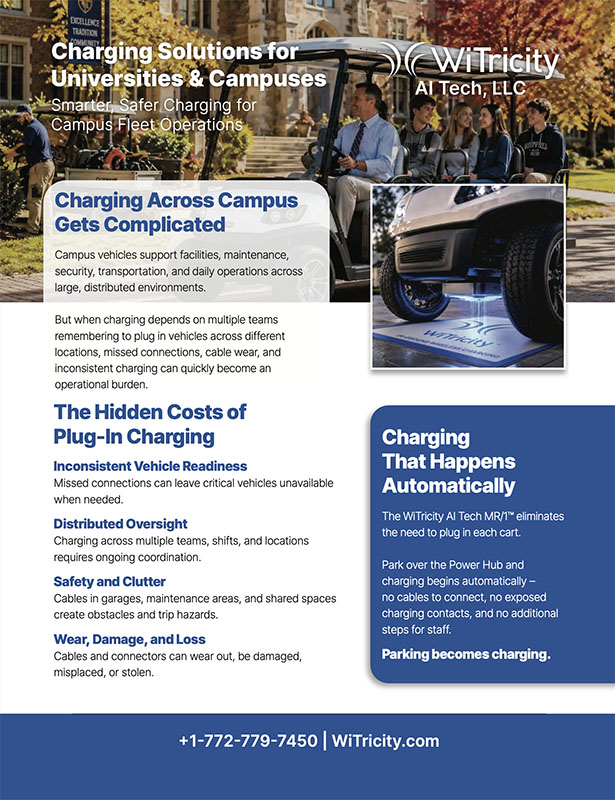
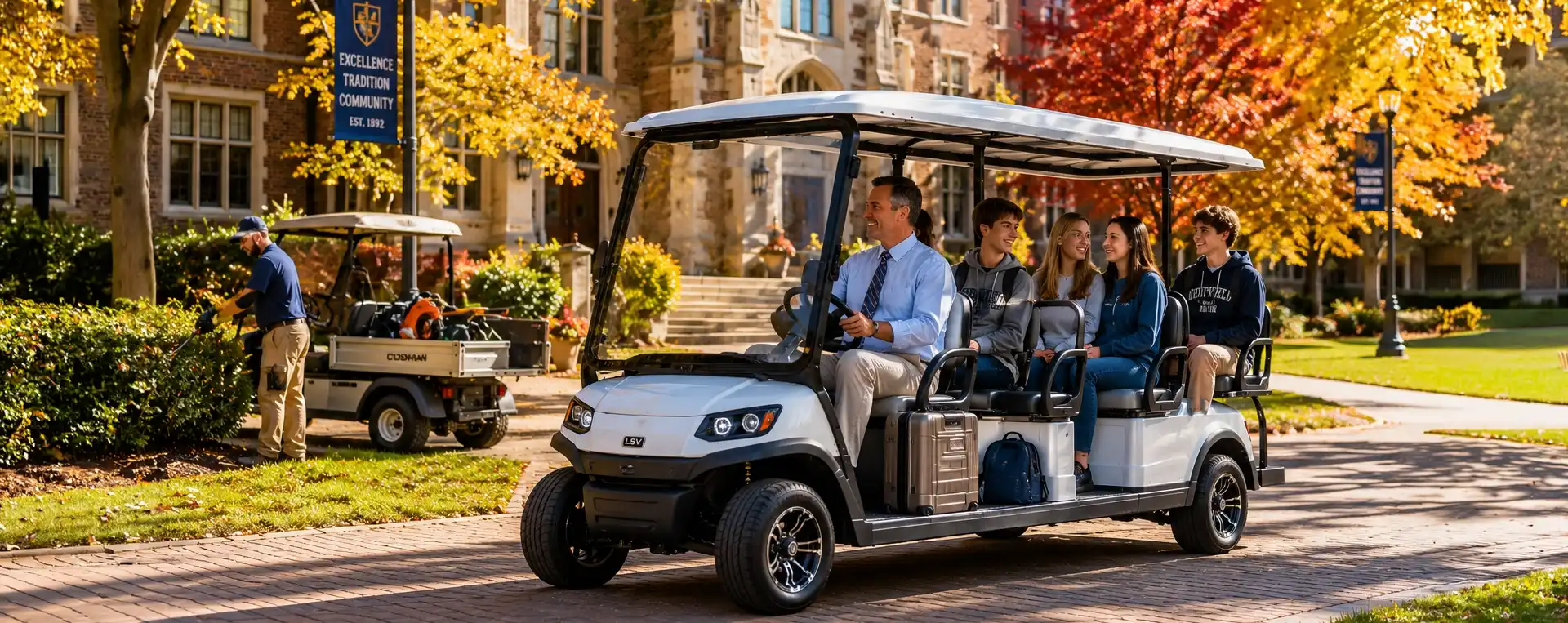

Universities and campuses rely on light electric vehicles every day, from facilities and maintenance teams to campus security and transportation services.
These vehicles are essential to keeping operations running smoothly. But the way they’re charged is often inefficient, inconsistent, and difficult to manage at scale.
Wireless charging offers a different approach: one that simplifies operations while improving safety and reliability across campus environments.
Campus environments introduce unique challenges when it comes to charging:
In practice, charging often looks like this:
These challenges create real operational friction:
Inconsistent Vehicle Readiness
When charging depends on manual processes, it introduces variability. A missed connection or incomplete charge can take a vehicle out of service when it’s needed most.
Labor and Oversight Requirements
Managing charging across multiple vehicles, locations, and teams requires time and coordination, pulling staff away from higher-value tasks.
Safety Risks in Active Environments
Cables in garages, maintenance areas, and shared spaces create trip hazards and clutter, particularly in high-traffic or confined environments.
Outdoor Exposure and Environmental Wear
Vehicles often charge outdoors, where cables and connectors are exposed to weather, debris, and temperature extremes, which can impact long-term reliability.
Wear and Maintenance
Frequent plugging and unplugging leads to wear on connectors, cables, and charging ports, increasing maintenance and replacement costs over time. Cables and connectors can also be damaged, misplaced, or stolen, creating additional costs and operational headaches. Across large campus fleets, these components represent ongoing operating expenses that can accumulate significantly over the life of the vehicles.

Plug-in charging works, but in campus environments, it becomes difficult to manage consistently.
In short:
Charging becomes an operational burden, not a system that runs in the background.
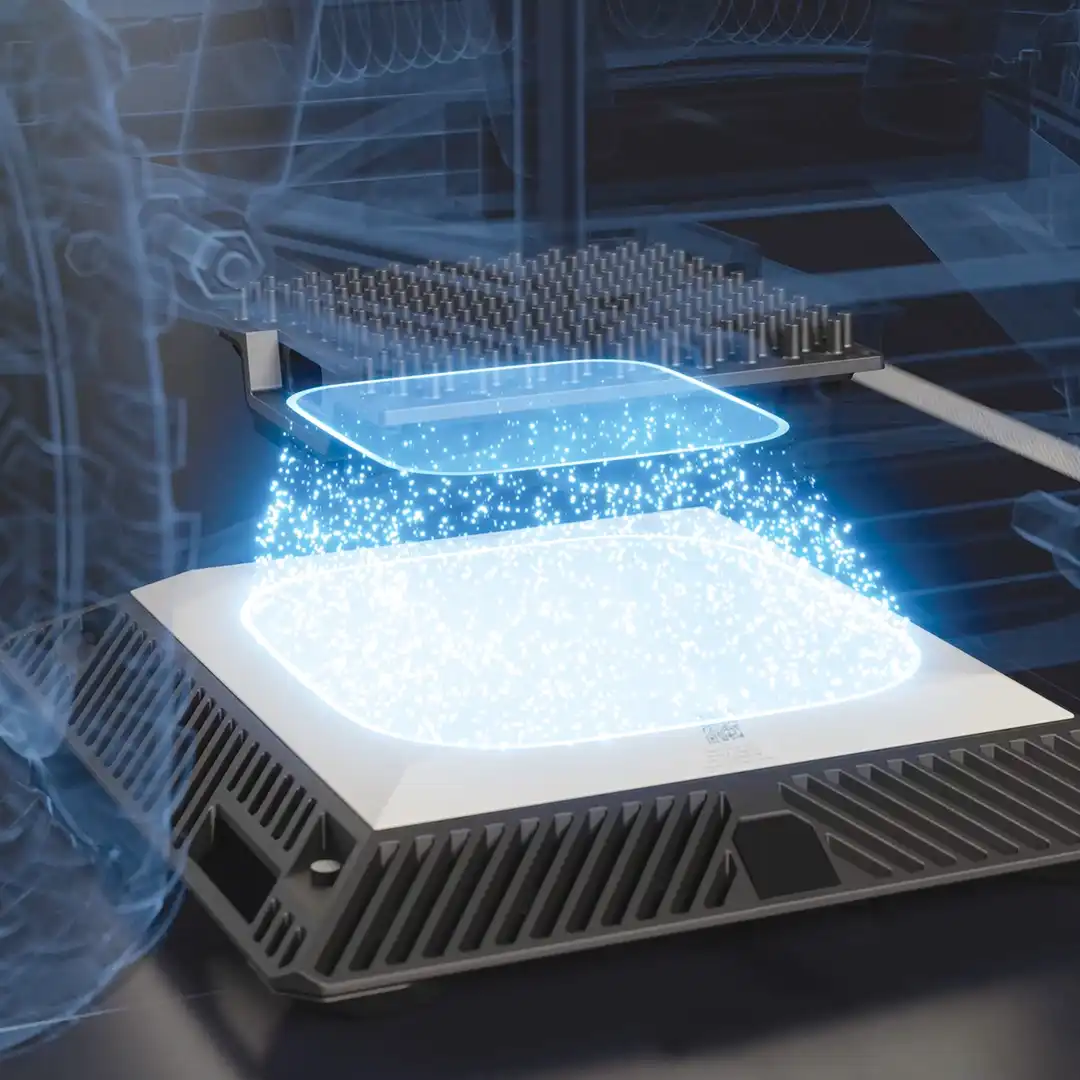
WiTricity’s wireless charging system eliminates the need for plugs, cables, and manual interaction.
With the MR/1 wireless charging system:
Whether a vehicle returns to a maintenance bay, a security station, or a designated parking area, charging simply happens.
What This Changes for Campus Operations
Consistent Vehicle Availability
Vehicles charge whenever they are parked – not only when someone remembers to plug them in. This helps ensure maintenance, security, facilities, and transportation vehicles are ready when needed across campus operations. After all, every vehicle that isn't charged is a vehicle that can't support campus operations.
Reduced Operational Overhead
No need to manage charging across shifts, locations, or teams – reducing time spent on routine oversight.
Safer Work Environments
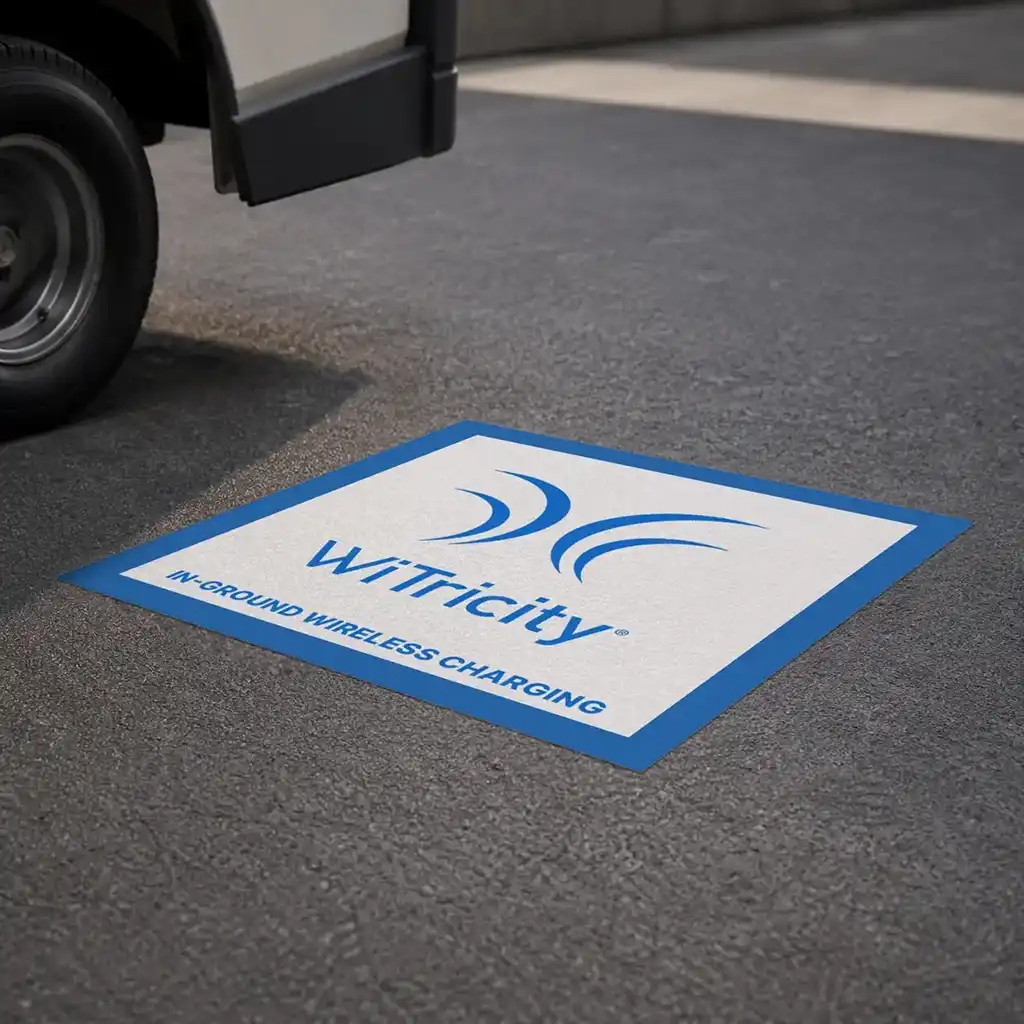
Eliminating cables reduces trip hazards and clutter in garages, service areas, and shared operational spaces. Charging pads can also be installed flush with the surrounding surface, helping maintain safer walkways while minimizing the visual impact of charging infrastructure.
Reliable Performance Indoors and Outdoors
Wireless systems are designed for real-world conditions, minimizing the impact of weather and environmental exposure.
Reduced Wear on Equipment
Fewer physical connections mean less wear on charging infrastructure, charging ports, cables, connectors, and vehicle components over time. Eliminating these common maintenance items can help reduce long-term operating costs while improving fleet reliability.
Reduced Maintenance Requirements
The MR/1 contains no moving parts and requires no regularly scheduled maintenance, helping support long-term reliability while reducing maintenance requirements over the life of the system.
Improved Battery Performance Over Time
Wireless charging enables opportunity charging, allowing vehicles to charge whenever they are parked. This more consistent charging pattern can support improved battery health and longevity, particularly for lithium-ion systems, helping reduce battery replacement costs over the life of the fleet.
Lower Total Cost of Ownership
Traditional charging systems rely on cables, connectors, charging ports, and manual processes that create ongoing maintenance and operational costs. By reducing wear, improving vehicle availability, supporting battery longevity, and eliminating common charging failures, wireless charging can help lower the total cost of ownership compared to traditional plug-in charging systems.

As campuses continue to adopt lithium-ion powered vehicles, battery safety is becoming an important consideration – particularly in enclosed areas such as maintenance facilities, storage bays, and service garages, where concerns around battery incidents, including fire risk, are taken seriously.
Wireless charging supports a more controlled charging process by eliminating physical connectors and enabling consistent charging whenever a vehicle is properly parked over the pad. Because charging automatically stops when the battery reaches its target level, it helps reduce the potential for overcharging – one of the factors that can contribute to battery-related safety issues.
Unlike traditional plug-in charging systems, wireless charging eliminates exposed charging contacts and removes the possibility of electrical shock associated with handling charging connectors during normal operation.
Campuses operate with structured but distributed patterns:
Wireless charging fits naturally into these patterns without requiring changes to workflows or infrastructure.
The MR/1 system is designed for:
It supports both lead-acid and lithium battery systems, making it compatible with a wide range of campus fleets.
On a campus, operational simplicity matters. Charging should happen automatically, safely, and reliably without requiring ongoing oversight from staff or maintenance teams.
Wireless charging helps:
Estimate charging performance, operational savings, and the potential value of eliminating cables and connectors from your charging routine.
If you’re evaluating ways to improve fleet reliability and simplify operations, we’re happy to walk through how wireless charging could fit into your campus environment.